
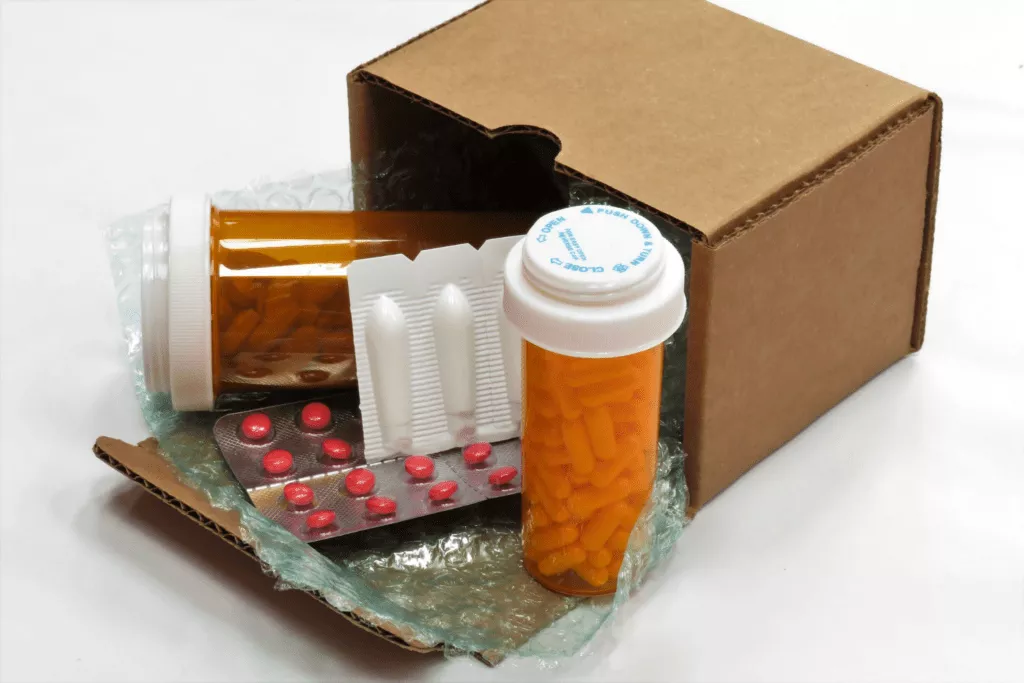
Medical packaging plays a vital role in ensuring the safety, sterility, and integrity of healthcare products—from pharmaceuticals and medical devices to diagnostic tools and patient supplies. Beyond protecting content, it also communicates critical information, helps meet regulatory standards, and builds trust between healthcare providers, manufacturers, and patients.
For companies in the healthcare sector, understanding medical packaging isn’t optional—it’s essential to delivering safe, compliant, and reliable products.
Why Medical Packaging Matters in Today’s Healthcare Industry
Medical packaging is more than just a protective shell. This is a system to ensure product efficacy, cleanliness, and traceability throughout the product’s life cycle—from manufacturing to patient use. In today’s healthcare environment, where precision and safety are non-negotiable, medical packaging has three (3) functions:
1. Protection: Shields products from contamination, moisture, and physical damage during manufacturing, storage, and transport.
2. Information: Delivers critical details such as dosage, instructions, expiration dates, and safety warnings.
3. Compliance: Ensures products meet the strict standards set by regulatory agencies like the FDA and ISO 11607.
Whether it’s a sterile syringe, a blister‑packed medication, or a folded instruction insert, proper packaging safeguards both the product and the end user. Miniature Folding, Inc. supports this mission through precision folding and finishing solutions that help medical manufacturers maintain the highest quality standards.
Key Components of Effective Medical Packaging
Creating effective medical packaging requires a balance of materials, structure, and communication. Every element—from the substrate choice to the fold pattern—affects performance and compliance.
1. Materials and Structure: Selecting the right materials is fundamental. Medical packaging often uses paperboard, foil, film, and coated paper to ensure strength, barrier protection, and print clarity. At Miniature Folding, our expertise in folded inserts, cartons, and labels ensures durability and readability, even for complex regulatory text.
2. Labeling and identification of accuracy are symbols. Mislabeling can lead to recalls or patient risks. Precision printing and inspection systems help prevent these costly errors.
3. Inserts and Instructions: Pharmaceutical and medical device inserts must be compact yet legible—containing dosage directions, warnings, and multilingual content. Miniature Folding specializes in miniature folding techniques that allow extensive information to fit neatly inside small packaging without compromising readability.
4. Seals and Sterility: Tamper‑evident products make quality assurance processes essential during packaging production.
Medical Packaging Regulations and Compliance Requirements
Medical packaging is strictly regulated to ensure patient safety and product reliability. Agencies like the U.S. Food and Drug Administration (FDA), International Organization for Standardization (ISO), and Good Manufacturing Practices (GMP) all define how materials, labeling, and production environments must perform.
- FDA 21 CFR Part 820 (Quality System Regulation): Requires manufacturers to maintain packaging that ensures sterility and accurate labeling.
- ISO 11607: Sets performance standards for packaging materials and sealing used for terminally sterilized medical devices.
- Good Manufacturing Practices (GMP): Ensures that all packaging operations follow consistent, documented quality procedures.
How Proper Packaging Prevents Compliance Risks
Compliance isn’t just about following regulations—it’s about protecting patients and manufacturers alike. Packaging that fails to meet standards can result in contamination, inaccurate dosage information, or product recalls.
By partnering with a specialized partner companies can leverage process control, inspection systems, and traceability documentation to reduce risk and ensure quality assurance from beginning to end.
At Miniature Folding, our production processes are designed to meet the strict demands of pharmaceutical and medical packaging—ensuring every product insert, label, and fold aligns with industry regulations.
How to Choose the Right Partner for Medical Packaging Solutions
Choosing a trusted packaging partner is one of the most important decisions a medical manufacturer can make. The right provider makes sure your materials meet functional and compliance requirements, but also reflect your brand’s commitment to safety and precision.
When evaluating potential partners, look for:
- Experience in regulated industries: Knowledge of FDA and ISO standards is essential.
- Technical expertise: Ability to produce complex folded inserts and multi-panel designs with accuracy.
- Quality control: Automated inspection and documentation for every production run.
- Scalable capacity: Flexibility to handle both small, specialized batches and large production volumes.
- Collaborative approach: A partner who advises on design, materials, and compliance early in the process.
At Miniature Folding, Inc., we bring over five decades of experience in medical and pharmaceutical packaging. Our folding, printing, and finishing services are engineered to meet the highest standards of precision and reliability—helping manufacturers deliver safe, compliant, and professional packaging every time.
From folded inserts to labels to custom packaging components, we are your trusted partner for medical packaging excellence. Contact us today for a quote and to talk about your next project and how we can enhance the safety, compliance, and appearance of your product.