
Why Miniature Folding Expertise Is Critical in Pharmaceutical and Medical Device Manufacturing
Miniature folding techniques have become essential in industries where precision, efficiency, and compliance are non-negotiable.
In pharmaceutical and medical device manufacturing, the ability to fold materials into compact, accurate forms ensures that inserts, leaflets, and microcomponents meet regulatory and usability standards.
A single misfold or misalignment in such applications can lead to product recalls, labeling errors, or compromised device performance.
Miniature folding techniques enable the production of tiny, multipanel leaflets often required for pharmaceutical packaging or folded microstructures used in medical devices and diagnostic tools.
These processes rely on precision folding technology and specialized machinery capable of maintaining accuracy at the microlevel.
Manufacturers offering miniature folding services also bring compliance assurance—ensuring materials meet FDA, GMP, and ISO standards for labeling and documentation.
By outsourcing specialized providers, companies can maintain production quality while minimizing downtime and human error.
What Professional Miniature Folding Training and Consultation Actually Covers
Professional miniature folding services often extend beyond production. Many providers offer technical training and consultation to manufacturing teams. These sessions cover
the full spectrum of folding operations, from material selection and machine calibration to error prevention and quality control.
Training typically includes the following:
- Material compatibility analysis: determining which papers, foils, or synthetics can withstand miniature folding without tearing or wrinkling.
- Precision calibration: adjusting folding machinery for micro-tolerance accuracy.
- Operator training: ensuring technicians understand form, micro-tolerance alignment, and inspection protocols.
- Regulatory compliance: aligning folding processes with documentation and labeling standards required in the medical and pharmaceutical industries.
Companies that invest in professional miniature folding training gain measurable improvements in throughput, consistency, and compliance with readiness. It’s not just about folding smaller—it’s about folding smarter.
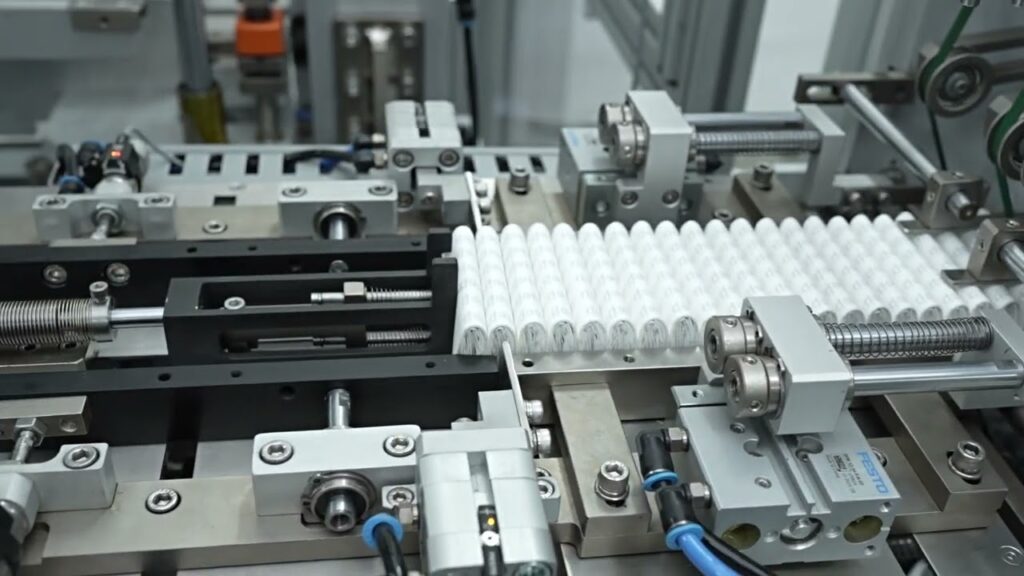
How Precision Folding Standards Differ Across Pharma and Medical Device Applications
While both sectors rely on miniature folding for compact materials, their technical and compliance requirements differ.
In pharmaceutical packaging, miniature folding ensures that product leaflets fit seamlessly into small cartons or blister packs. Here, the focus is on legibility, durability, and alignment, ensuring that dosage and safety information remains accessible to end users.
In contrast, medical device manufacturing often requires folding thin films, microcomponents, or composite materials that form part of the device itself.
This involves micro-folding manufacturing—where precision folding technology integrates into the assembly of components like stents, catheters, or implantable sensors.
Manufacturers that adhere to ISO 13485 and GMP standards must demonstrate folding accuracy and repeatability as part of their quality management systems.
Understanding these distinctions helps businesses choose the right partner or in-house process to match their product’s design and regulatory profile.
What to Look for in a Qualified Miniature Folding Partner or Training Provider
Choosing the right miniature folding service provider can make or break your production line’s efficiency. When evaluating partners, look for the following criteria:
- Proven expertise in miniature and precision folding across multiple industries.
- Advanced folding machinery capable of handling small‑scale fabrication methods with tight tolerances.
- Comprehensive quality control, including automated inspection systems and traceable documentation.
- Regulatory compliance with global standards (FDA, ISO, and GMP).
- Transparent consultation process, offering both production and training support.
Partnering with an experienced provider ensures your folded materials meet performance, safety, and aesthetic benchmarks—all while maintaining cost‑efficiency.
If you’re evaluating vendors, consider reaching out to industry-recognized specialists listed in authoritative directories such as the Association for Packaging and Processing Technologies (PMMI) or similar manufacturing networks.
In-House vs. Outsourced Folding Operations: What’s Best?
The decision between in‑house folding and outsourcing depends on your production volume, technical expertise, and regulatory exposure.
In-house miniature folding offers greater control over scheduling and quality but requires significant investment in machinery and operator training. It’s ideal for manufacturers with consistent, high-volume needs and resources to maintain specialized equipment
Outsourcing miniature folding services, on the other hand, reduces capital expenses and allows access to specialized technology and expertise on demand.
Many companies choose a hybrid approach—maintaining small-scale folding capabilities internally for prototypes or small batches while outsourcing mass production to experienced partners.
Whichever route you take, the key is to ensure that precision, compliance, and repeatability remain at the forefront of your folding operations. Visit us online today to request a free estimate!